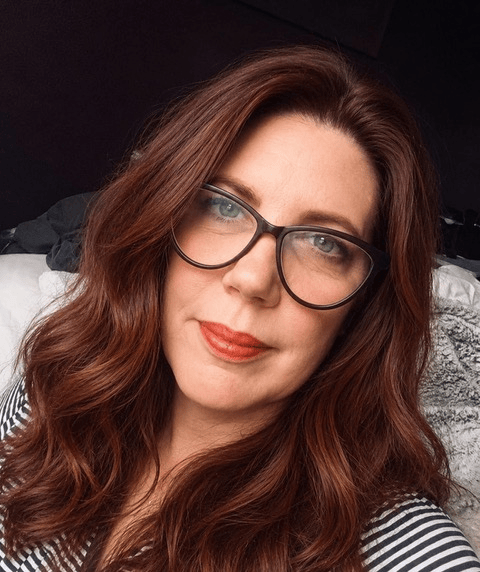
Creative Access Consultant and Artist Jo Paul shares their experience of delivering a workshop with CADA at the Wellcome Collection.
This was one of the questions we posed at the Coming of Age Symposium taking place at the Wellcome Collection in July, I co-worked with Arti Prashar, Chair of CADA, facilitating a workshop exploring visibility and agency as we age.
Having heard the keynote and other speakers, I was struck by the wealth of research and evidence surrounding ageing. As artists, Arti and I wanted to approach the subject through another lens: the senses, imagination, objects and creativity.
We transformed the large workshop room into a sort of installation. Six tables, covered in cream tablecloths ranging from pristine to ‘aged’, held objects concealed beneath further layers of cloth. Written onto the cloth were fragments of The Advent of Ageing, a poem by CADA’s RUPT Associates. Beneath were objects; old phones, mirrors, photographs, old rope, a rolling pin, condoms, sanitary and continence pads, jewellery, confetti and more. Participants were invited to write and draw on the cloths throughout the workshop. Crutches, walking sticks and old keyboards stood in the corners, while posters asked provocative questions, among them were: What makes someone “old”? What needs repairing: bodies or society? Who gets to age better? Ageing is raging. Against what?
We introduced different smells and music, and played a recording of the poem The Advent of Ageing. Our ‘elixir of life’ was coconut water or hibiscus tea.
The scattered objects weren’t necessarily positive or negative; what they meant depended on the person looking at them. A continence pad could suggest loss or indignity to one person, independence and freedom to another. A rolling pin prompted one participant to question the stereotypical image of an older woman as grandmother or homemaker. One participant felt the objects made ageing look boring, which made her angry. Her response was to talk about undertaking a performing arts diploma in her 60s.
Society’s assumptions about ageing were becoming visible.
As participants arrived, we collected their ages anonymously. Together, they amounted to 1,655 years. We revealed the figure and asked: What are we going to do with all that lived experience?
The conversation turned to language and assumptions. One participant suggested replacing “What do you do?” with “What keeps you busy?” Others questioned whether we need to be busy to matter, and whether “retirement” is itself limiting. I particularly liked the suggestion of ‘temp tiring’, maintaining flexibility around retirement plans.
We ended by asking: What are you personally going to change as you age?
Answers included writing books, becoming a public speaker, dancing, moving more, spending time outdoors, clearing clutter and connecting with community.
Of course, agency isn’t equally available to everyone. Money, health, disability, gender, caring responsibilities and social structures all influence the choices we can make and the way we experience ageing. How we age is not simply an individual matter; it is also shaped by how society sees, supports and values us.
Perhaps this is where creativity has a role. It can help us look again at the stories and assumptions we have inherited about ageing, and make room for our own experiences and ideas. Maybe, in doing so, we can begin to see ageing as something we can continue to shape, while also challenging the ways society influences our experience of ageing.

