By Natalia Piotrowska, Intergenerational Music Making and Intergenerational England
There is a quiet shift happening across the cultural sector.
Arts organisations are increasingly being asked to do more than produce exceptional creative work. They are expected to contribute to healthier communities, tackle loneliness, support wellbeing, build skills, strengthen local economies and create places where people feel they belong.
The question is no longer whether creativity has social value, but how we intentionally design creative experiences that deliver lasting social impact. Intergenerational Music Making (IMM) and Intergenerational England (IE) believe the answer lies in relationships.
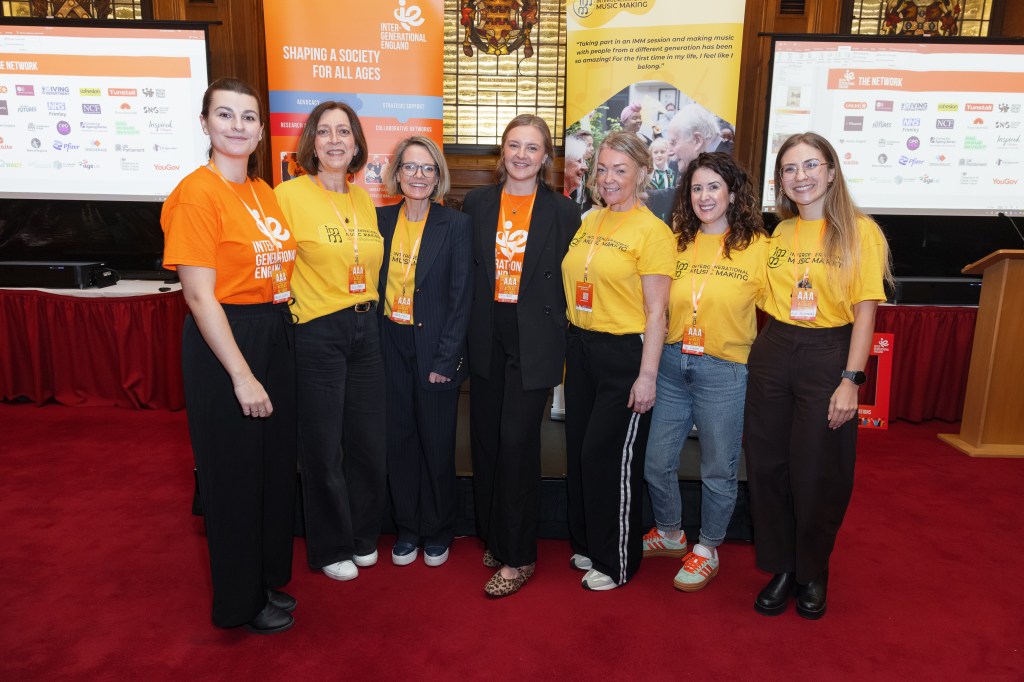
Together, our organisations work across grassroots delivery, research and policy to demonstrate how creativity can become the infrastructure that connects people across generations. IMM delivers music-led programmes in communities across the UK, while Intergenerational England develops the research, partnerships and policy frameworks that help embed intergenerational approaches across health, housing, education, culture and workplaces.
Our shared mission is simple: to create a society where every generation feels connected, valued and able to contribute.
Loneliness is recognised by the World Health Organization as a global public health priority. Communities are becoming increasingly age-diverse while everyday life becomes increasingly age-segregated. Young people spend time with young people, sandwich generation with the sandwich generation, and opportunities for meaningful interaction are becoming fewer. The result is not only loneliness and isolation, but growing ageism, perpetuation of age-based stereotypes, reduced community cohesion and the loss of valuable knowledge, skills and relationships.
The arts have a unique opportunity to respond. Music, storytelling and shared creativity create environments where conversations happen naturally, barriers begin to dissolve and relationships are built through participation. Creativity allows people to contribute equally, regardless of age, background or ability, creating spaces where everyone is both learner and teacher.
Since 2018, IMM has delivered more than 2,500 intergenerational projects and trained over 700 facilitators, care staff, volunteers and young people, working across schools, hospitals, care homes, housing organisations, libraries and cultural venues. Every programme is designed around a simple principle: connection first.
Whether supporting creative health, early years development, dementia care or community wellbeing, music and creativity become the catalyst for confidence, communication, belonging and shared identity.
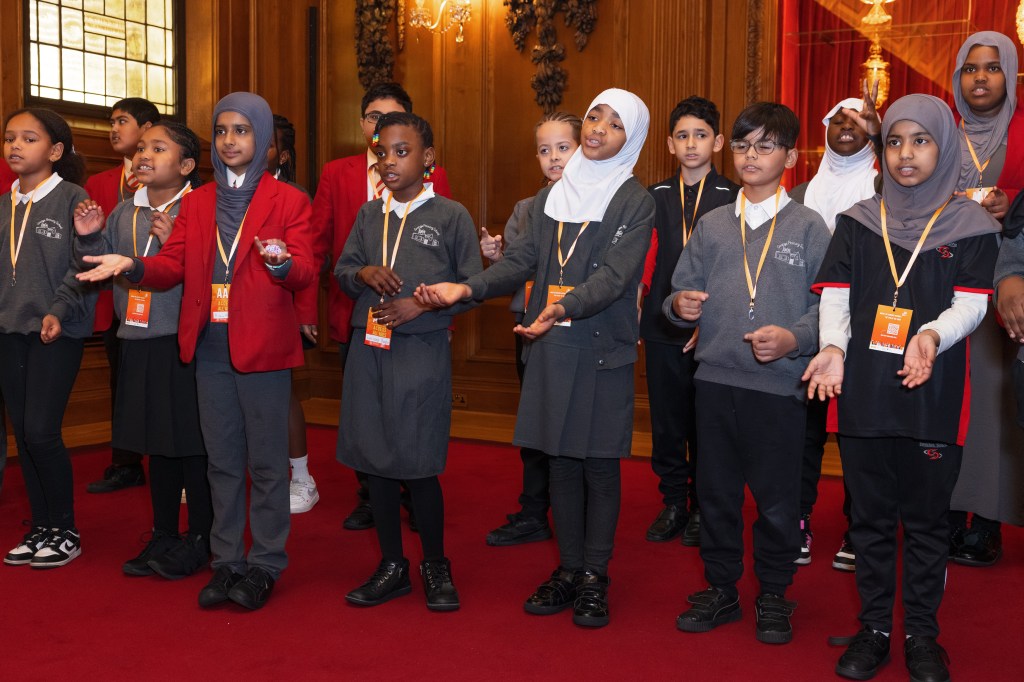
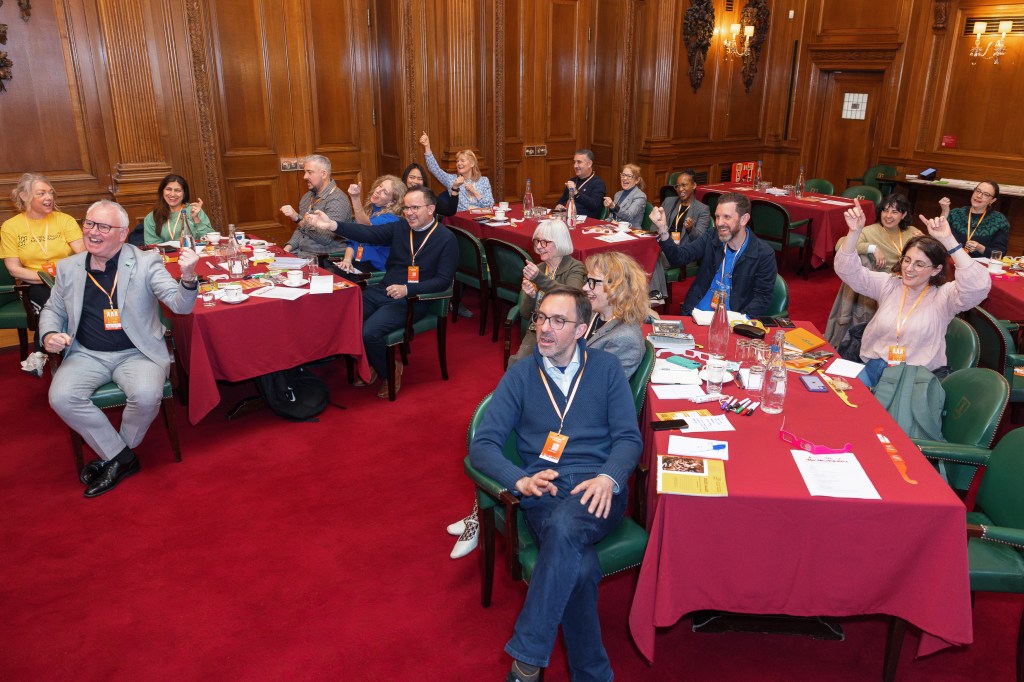
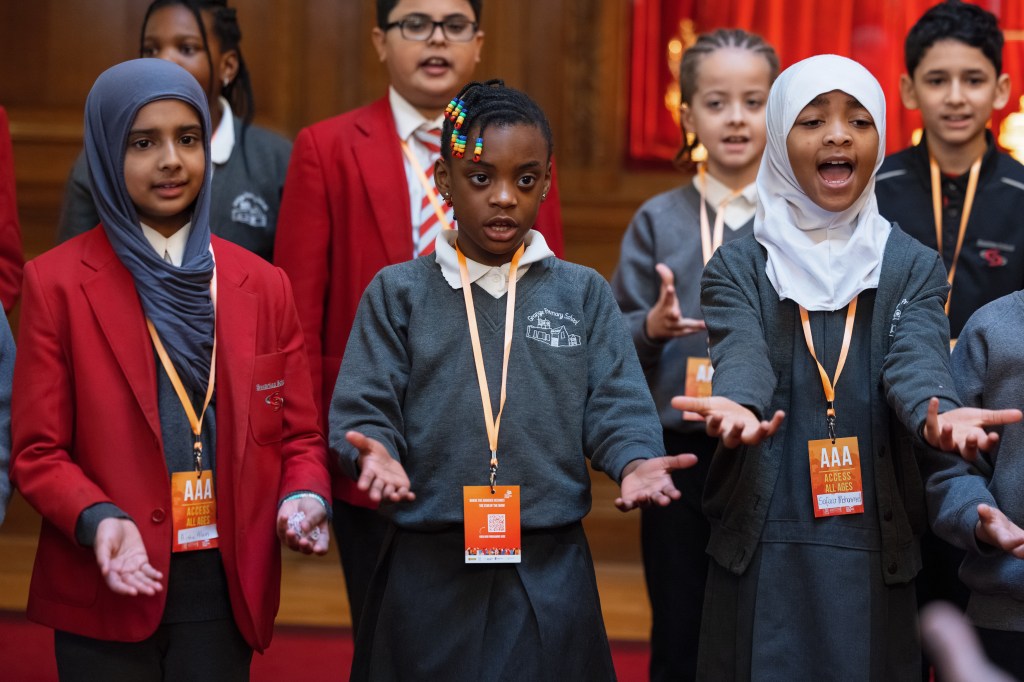
One of the clearest examples of this is the Access All Ages Creative Community Hub at The Bridgewater Hall in Manchester. Building on a city-wide celebration that brought together more than 500 people, the monthly hub has become a regular space where toddlers, care home residents, families, students and local communities create music together, share stories and build relationships. It is open, welcoming and intentionally designed around intergenerational participation.
The hub also demonstrates what becomes possible when cultural organisations collaborate across sectors. Working with Manchester Metropolitan University, nutrition students become active contributors rather than observers, translating public health messages through songwriting, conversation and creative activities. Participants share recipes, memories and traditions, while students gain a deeper understanding of community engagement, healthy ageing and lived experience. Health education becomes a collaborative, joyful experience rather than a one-way intervention.
This is intergenerational practice at its best: creativity supporting health, education, research and community simultaneously.
Intergenerational England exists to ensure these approaches extend beyond individual projects and become part of the systems that shape everyday life. Through national taskforces, partnerships with NHS England, universities, housing providers and local authorities, and an expanding programme of research and policy development, IE is building the evidence base for a more connected society. Our work explores how intergenerational approaches can reduce loneliness, improve healthy ageing, strengthen workplaces, support housing design and create more resilient communities.
Our research consistently points in the same direction.
A Divided Kingdom highlights the increasing age segregation present within our communities, while our latest international report, Past, Present and Future Generations, demonstrates that societies achieving the strongest social outcomes are those investing intentionally in shared spaces, shared experiences and reciprocal relationships across the life course.
For the cultural sector, this presents an opportunity to look differently at the work it is already doing. Many arts organisations naturally bring together people of different ages through performances, workshops, festivals and community programmes, yet the intergenerational value of these interactions often goes unrecognised and unmeasured. By intentionally designing programmes around relationships, reciprocity and shared participation, creative organisations can move beyond audience engagement to become catalysts for healthier, more connected communities.
For funders, this means recognising intergenerational collaboration not simply as a participant demographic, but as a strategic approach that strengthens wellbeing, reduces loneliness, builds social cohesion and creates lasting community infrastructure. When relationships become an intentional outcome rather than a by-product of delivery, creative programmes generate deeper and more sustainable impact across the life course.
Creativity has always brought people together. By embedding intergenerational thinking into programme design, partnerships and investment, the cultural sector can play a pivotal role in creating places where people of all ages feel connected, valued and able to contribute, demonstrating that culture is not only something communities experience, but something that actively strengthens the social fabric that holds them together.
If you would like to know more about our work, please get in touch with us at info@intergenerationalengland.org or info@imm-music.com

